

Microneedling vs. Chemical Peels: Which Is Right for Your Skin?
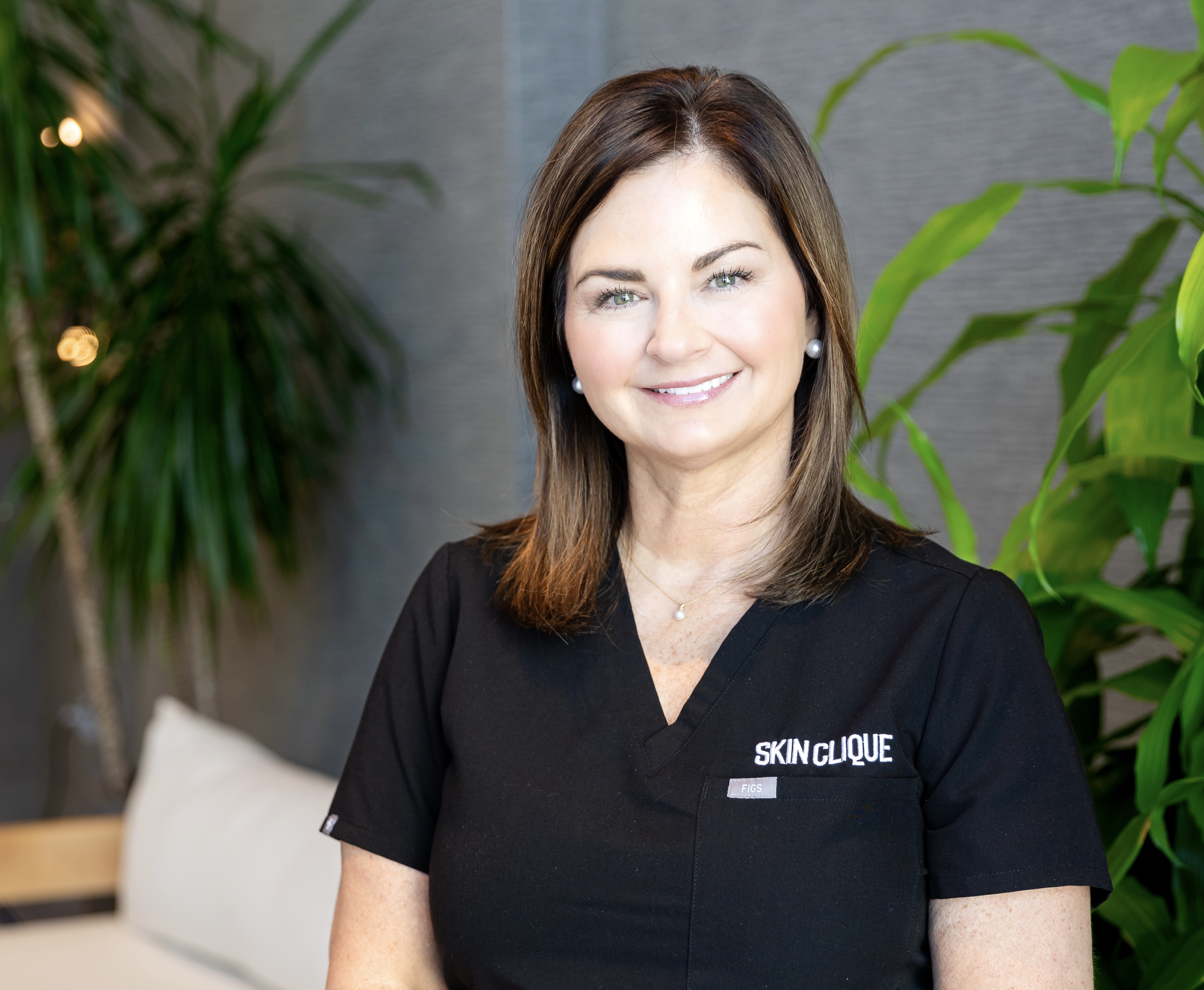
Microneedling and chemical peels are two popular options for improving skin quality, but they are not interchangeable. The best choice depends on your goals, skin tone, medical history, and the type of concern you want to address. Here is a practical guide to understanding the differences.
What do microneedling and chemical peels have in common?
Both are professional skin-rejuvenation treatments, but they work differently. Each can be part of a personalized plan for uneven texture, dullness, or certain pigment concerns. Neither is the best choice for everyone, and some concerns need a medical assessment before cosmetic treatment.
How does microneedling work?
Microneedling uses sterile, controlled needle punctures to stimulate the skin's wound-healing response and collagen remodeling. It is often considered for acne scars, fine lines, and uneven skin texture. Improvements develop gradually over weeks to months, and a series of sessions may be recommended.
The procedure can cause temporary redness, swelling, tenderness, or pinpoint bleeding. Risks include infection, pigment changes, and scarring, especially with inappropriate technique or poor aftercare. Active skin infection and some other conditions may make treatment unsuitable.
What does a chemical peel do?
A chemical peel applies a carefully selected solution to exfoliate or remove targeted skin layers. Depending on the peel's type and depth, it may help with dullness, uneven tone, certain superficial pigment changes, or rough texture. Superficial peels differ substantially from medium or deep peels in downtime and risk.
Peels can cause peeling, redness, irritation, pigment changes, or, less commonly, scarring and infection. Your skin type, medical history, recent products, and sun exposure influence whether a peel is appropriate.
Which is better for acne scars, pores, and fine lines?
For depressed acne scars and texture, microneedling may be a useful option, although scar type matters and some scars need different treatments. For surface dullness and selected discoloration, a carefully chosen chemical peel may be a better fit. Neither treatment can permanently shrink pores or erase every line. Some patients benefit from a staged plan rather than choosing one treatment forever.
What if I have melasma or darker skin?
Skin with a greater tendency toward post-inflammatory hyperpigmentation needs particularly careful treatment selection. Melasma can worsen with inflammation, heat, or sun exposure, and neither microneedling nor a peel is automatically first-line therapy. Consistent broad-spectrum sun protection and an individualized pigment-management plan are important.
How should I prepare?
Tell your provider about prescription retinoids, over-the-counter retinol, exfoliating acids, recent tanning, cold sores, pregnancy, medications, and prior pigment changes or scarring. Your provider may advise temporarily pausing certain active skincare products before and after treatment; the timing depends on the procedure and your skin. Do not discontinue prescribed medication without speaking with its prescriber.
How much downtime should I expect?
Microneedling commonly produces redness and sensitivity for a few days, while recovery after a peel varies widely with its depth and formulation. Follow the specific aftercare you receive, avoid picking or exfoliating healing skin, and protect it from the sun. Contact your treating clinician for unexpected worsening pain, pus, spreading redness, or other concerning symptoms.
How do I choose?
Start with the concern you want to improve: texture, acne scarring, fine lines, or discoloration. At Black River Med Spa & Wellness, Christy Evans, DNP, ANP-C, offers individualized skincare consultations, microneedling, and professional chemical peels. Your consultation can clarify whether one treatment, a sequence of treatments, or skincare alone is the safest and most appropriate starting point.
This educational article does not replace a medical consultation. Treatment recommendations, results, and recovery vary by individual.
Comments