

Dark Spots, Melasma, and Post-Acne Marks: A Guide to Uneven Skin Tone
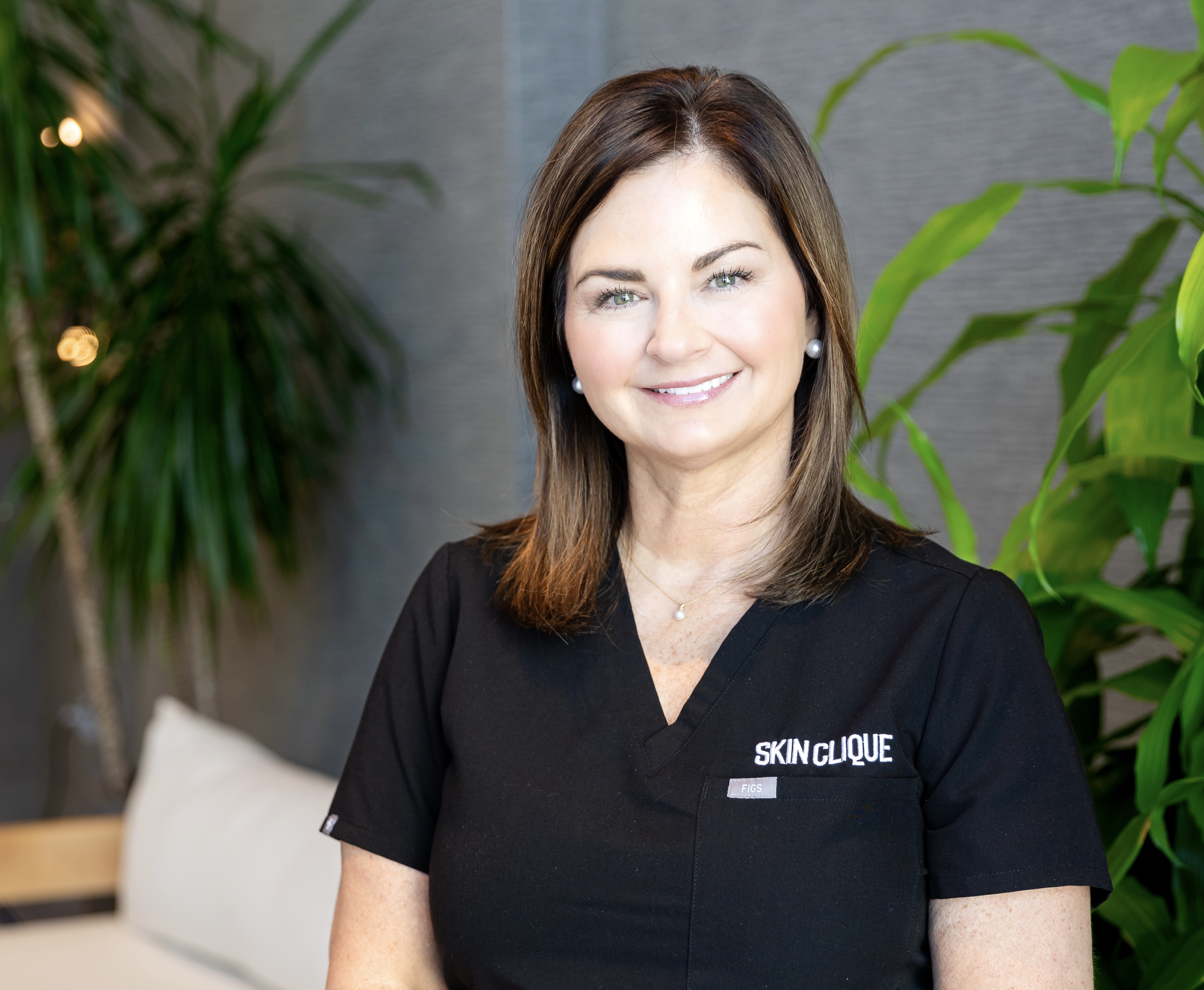
Uneven skin tone is one of the most common concerns we hear about in aesthetic consultations. But a dark spot from sun exposure is not always the same as melasma or a mark left behind after a breakout. Identifying the cause matters because the safest, most effective approach can be different for each.
At Black River Med Spa & Wellness in Georgetown, South Carolina, we take an individualized approach to skincare and skin rejuvenation. Here is what to know before choosing a product or professional treatment.
What causes dark spots and uneven skin tone?
Dark spots often develop when the skin produces or retains extra pigment, called melanin. Sun exposure, hormones, inflammation, and some medications can contribute. The appearance and pattern of discoloration help guide the evaluation, but a professional examination may be needed to determine the cause.
A new, changing, bleeding, irregular, or otherwise suspicious spot should be evaluated by a medical professional or dermatologist before any cosmetic treatment. Not every brown spot is harmless pigmentation.
Sun spots: Pigmentation related to years of UV exposure
Sun spots, often called solar lentigines, tend to appear on areas that receive frequent sun exposure, including the face, chest, and hands. They are typically more defined than melasma. Sun protection helps prevent additional discoloration, while treatment of established spots depends on their diagnosis, depth, and your skin type.
A professional skincare assessment can help you decide whether a topical routine, a chemical peel, or referral for another treatment is appropriate.
Melasma: Why this type of pigmentation can be stubborn
Melasma often appears as symmetrical brown or gray-brown patches on the cheeks, forehead, upper lip, or other facial areas. Sunlight, visible light, hormonal changes, and individual susceptibility can all play a role. Melasma is often chronic and can return even after improvement.
Daily broad-spectrum SPF 30 or higher is essential. For many people with melasma, tinted sunscreen containing iron oxides can also help reduce visible-light-related darkening. Gentle skincare and avoiding irritation are important, since overly aggressive treatments can sometimes make pigmentation worse.
Chemical peels are not automatically the best first choice for melasma. Treatment may require a carefully planned combination of sun protection, topical medications, and specialist guidance.
Post-acne marks: Pigment left after inflammation
Post-inflammatory hyperpigmentation (PIH) can develop after acne, a rash, picking, or other skin irritation. These flat brown or gray marks are different from depressed or raised acne scars. They may gradually fade, but the process can take months and can be prolonged by continued inflammation or sun exposure.
The first step is to control the underlying acne or irritation and protect the skin from UV exposure. Gentle brightening products may help; strong scrubs or frequent harsh exfoliation can worsen the problem.
Which skincare ingredients may help?
A consistent routine usually begins with a gentle cleanser, moisturizer, and broad-spectrum sunscreen. Depending on your skin and goals, options may include vitamin C, azelaic acid, niacinamide, or a retinoid. These ingredients have different strengths, tolerability profiles, and indications; more products are not necessarily better.
Retinoids can support skin turnover and may improve some types of discoloration over time, but they can cause dryness and irritation if introduced too quickly. Avoid retinoids during pregnancy, and discuss prescription-strength products with a qualified clinician.
Can chemical peels improve discoloration?
Professional chemical peels may improve selected superficial pigment concerns by promoting controlled exfoliation. Results depend on the cause of discoloration, peel type, skin tone, preparation, and aftercare. A peel is not a cure for melasma and is not appropriate for every patient.
Peels can also cause irritation, temporary redness, and sometimes additional pigmentation, especially if the treatment is too aggressive or sun protection is inadequate. A medical consultation should consider your skin type, active inflammation, recent procedures, and products such as retinoids before recommending a peel.
How long does it take to see improvement?
Pigmentation changes gradually. With consistent sun protection and a suitable routine, some people see improvement over several weeks, while more persistent discoloration may take months. Recurrence is possible, particularly with melasma. The goal is a sustainable plan rather than a quick fix.
Personalized skin care in Georgetown, SC
Christy Evans, DNP, ANP-C, offers skincare consultations and selected skin-rejuvenation treatments through Black River Med Spa & Wellness. We can discuss whether your concern is better addressed with a home routine, a professional chemical peel, or referral for medical evaluation. Your treatment plan should fit your skin, medical history, and comfort level.
New to retinoids? Read our companion article: Retinol for Beginners: How to Start Without Irritation.
This article is for general education and is not a diagnosis or a substitute for a personalized medical evaluation.
Comments